
Rosemary: Kitchen Herb, Memory Keeper, Circulatory Ally
- Roland Koronya

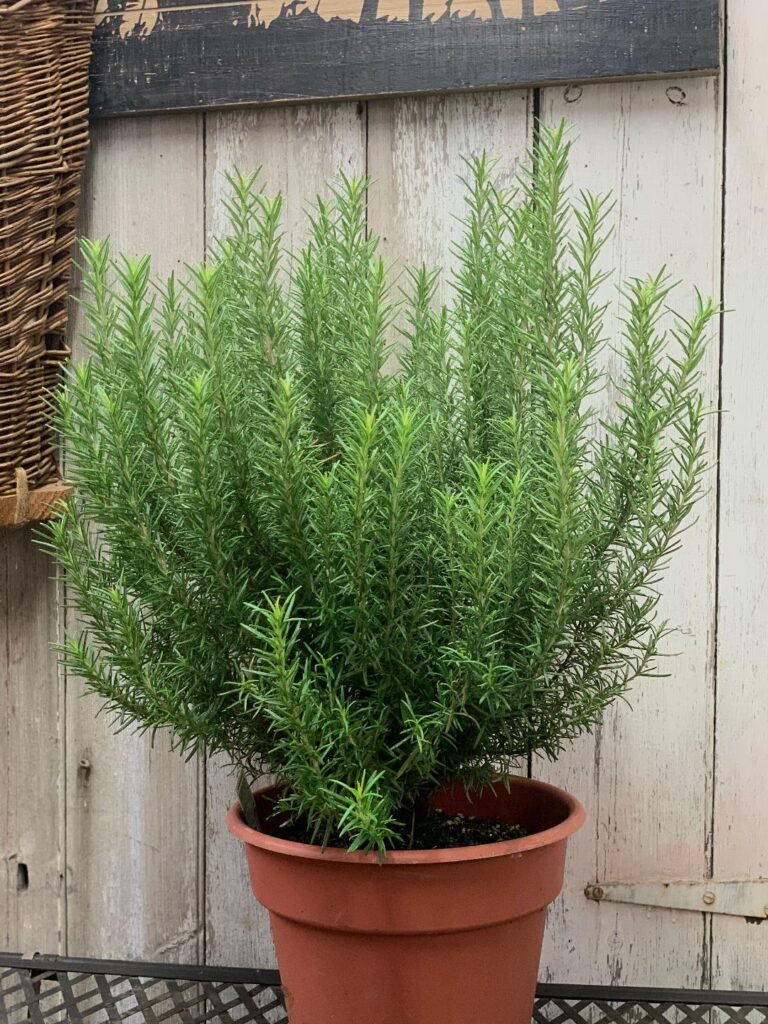
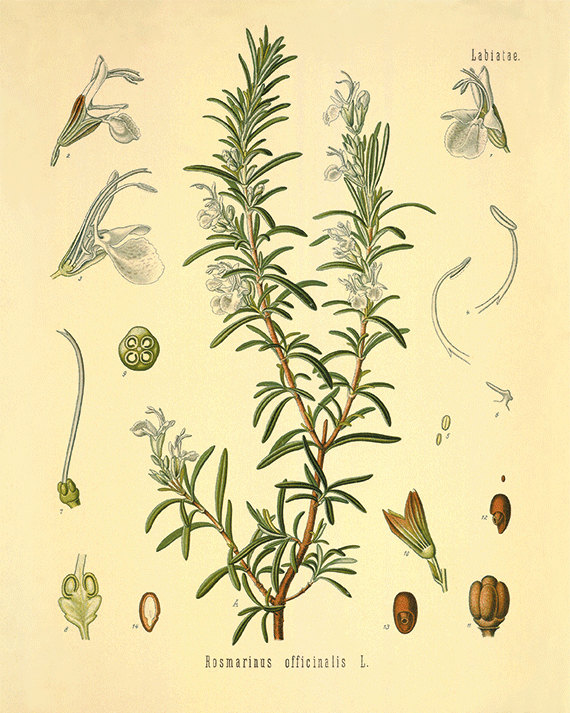
Rosmarinus officinalis (now reclassified as Salvia rosmarinus)
Family: Lamiaceae (Mint family)
Walk through any Mediterranean village in late morning and you’ll smell it before you see it—that penetrating, resinous aroma drifting from kitchen windows where lamb roasts slowly with garlic and olive oil. Rosemary is so embedded in European culinary tradition that we forget it’s medicine. But ask anyone over seventy about rosemary and they’ll tell you: it’s for remembrance. Not sentiment—function. The herb that helps you remember where you put your keys.
This conflation of kitchen herb and cognitive ally isn’t coincidence. It’s pattern. The same aromatic oils that make rosemary indispensable in cooking—those volatile compounds that perfume the kitchen and make food taste of summer and stone—are precisely what drive blood to the brain, stimulate mental clarity, wake up circulation from scalp to fingertips. The medicine and the seasoning are one.
The Plant
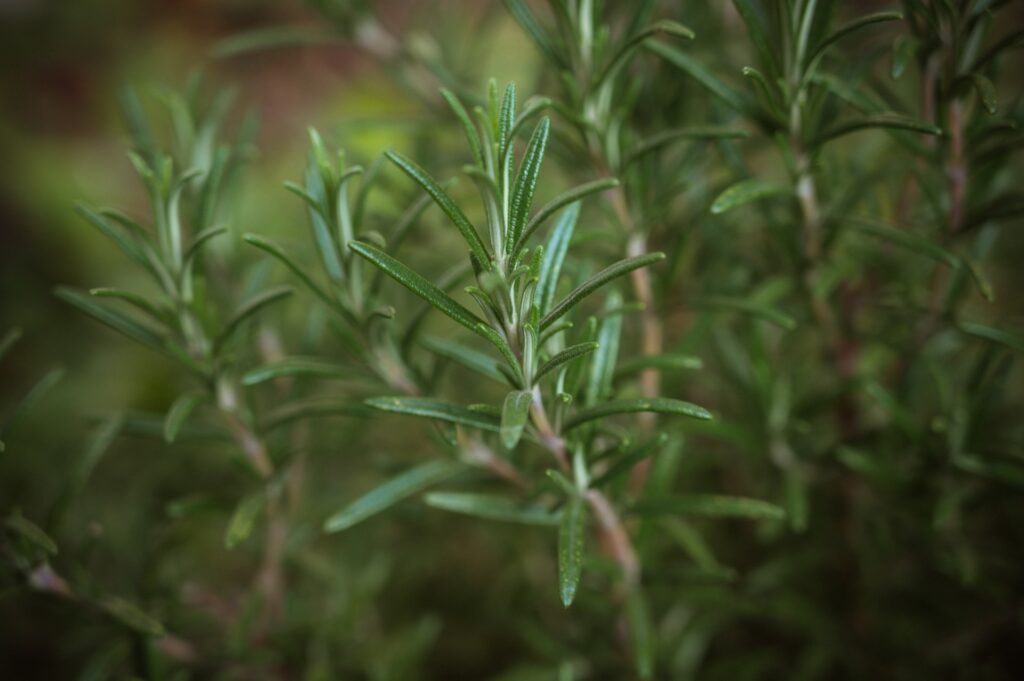
Rosemary grows as a woody perennial shrub, sturdy and aromatic, preferring the sun-baked Mediterranean climate where it originated but adapting to gardens across temperate Europe. The leaves are needle-like, dark green on top, silvery beneath, their surface studded with oil glands that release scent at the slightest brush. Those oils—primarily 1,8-cineole, camphor, and α-pinene—give rosemary its characteristic fragrance and its medicinal potency.
The plant itself embodies its energetic signature: upright growth reaching toward sun and sky, concentrated aromatic oils, sturdy woody stems, evergreen persistence through winter. Everything about rosemary speaks of stimulation, focus, upward movement. Even its traditional name ros marinus—”dew of the sea”—suggests its native coastal Mediterranean habitat where it thrives on sea cliffs, salt spray, relentless sun.
The small pale blue flowers that appear in spring are edible, delicate, worth noticing. But it’s the leaves herbalists have valued for centuries, fresh or dried, their medicine concentrated in those volatile oils that give the plant its life.
Energetic Signature: Warming, Drying, Stimulating
Taste rosemary—chew a fresh leaf, steep it as tea. The sensation is immediate and unmistakable: warming, aromatic, slightly bitter, with a camphoraceous quality that opens the sinuses and clears the head. This is not gentle medicine. This is stimulation, movement, waking up.
Warming: Rosemary brings heat—gentle but definite. It stimulates circulation, increases blood flow, counters cold and stagnation. The warmth isn’t aggressive like cayenne or aggressive like ginger; it’s focused, directed, particularly oriented toward the head and upper body. When your extremities are cold from poor circulation, when winter makes you sluggish, when coldness settles in tissues—rosemary’s warmth addresses these patterns.
Drying: The aromatic, astringent quality indicates rosemary’s drying nature. It tightens tissue slightly, reduces excess secretion, addresses damp, boggy conditions. This makes it useful for productive coughs with clear or white mucus, for digestive sluggishness with heaviness, for any condition characterized by dampness and stagnation.
Stimulating: This is rosemary’s primary action—stimulation of multiple systems simultaneously. Circulatory stimulation increases blood flow throughout the body but especially to the brain. Nervous system stimulation brings mental clarity without the jittery edge of caffeine. Digestive stimulation through its bitter and aromatic properties aids fat digestion. Everything about rosemary moves, activates, enlivens.
Restorative: Despite its stimulating nature, rosemary also tonifies and restores. Long-term use strengthens rather than depletes, particularly for the cardiovascular and nervous systems. This dual quality—immediately stimulating yet cumulatively strengthening—makes it valuable for sustained use.
Traditional Actions and Uses
For Cognition and Memory: This is perhaps rosemary’s most famous application, backed by both tradition and research. The mechanism is straightforward: rosemary stimulates cerebral circulation, increasing blood flow to the brain. More blood means more oxygen, more nutrients, enhanced neural function. Studies show even culinary doses—around 750mg, roughly what you’d use to season a meal—can improve memory recall speed in older adults.
But rosemary’s cognitive effects extend beyond mere circulation. As a nervine, it supports the nervous system itself, addressing mental fatigue, brain fog, poor concentration. The aromatic volatile oils have direct effects when inhaled, improving alertness and reaction time. Traditional European herbalists recommended rosemary for students, for scholars, for anyone whose work demanded sustained mental effort. Not as stimulant to mask exhaustion but as support for optimal cognitive function.
For Circulation: Rosemary’s warming, stimulating nature makes it a primary herb for sluggish circulation. Cold hands and feet, poor peripheral circulation, the kind of coldness that settles in and won’t shift—rosemary addresses these patterns by gently but persistently increasing blood flow. The cardiovascular tonic action strengthens over time, improving vascular tone, supporting healthy blood pressure.
This circulatory stimulation explains many of rosemary’s other applications: its traditional use for headaches (increasing blood flow to relieve congestion), for rheumatic conditions (improving circulation to stiff, cold joints), for chronic fatigue where poor circulation contributes to persistent tiredness.
For Digestion: As a bitter carminative, rosemary stimulates digestive secretions while simultaneously relieving gas and bloating. The aromatic oils relax spasms in the digestive tract while the bitter quality stimulates bile production, making rosemary particularly useful for digesting fats and proteins. This is why it pairs so perfectly with lamb, pork, and rich dishes—not just for flavor but for functional medicine.
The warming, drying nature addresses cold, damp digestive patterns: slow digestion, feeling of heaviness after eating, bloating, sluggish bowel movements. Rosemary moves what’s stuck, warms what’s cold, dries what’s damp.
For Respiratory Support: When used for respiratory conditions, rosemary works best for cold, damp patterns—productive coughs with clear or white mucus, congestive conditions, sluggish expectoration. The aromatic oils act as stimulating expectorants, the antimicrobial properties address infection, the warming quality counters cold.
Crucially, rosemary is contraindicated for hot, dry respiratory conditions (dry cough, red throat, scanty mucus) where its warming, drying nature would aggravate existing heat and dryness. Pattern matters.
Topically for Musculoskeletal Pain: Rosemary’s warming, analgesic properties make it valuable in liniments, oils, and baths for cold, stiff joints, muscle tension, rheumatic pain. The volatile oils penetrate skin readily, bringing warmth and increasing local circulation to affected areas.
The Lore Worth Noting
In the language of flowers, rosemary meant remembrance—a symbolism so embedded in European culture that Shakespeare referenced it: “There’s rosemary, that’s for remembrance.” At funerals, mourners carried rosemary sprigs. At weddings, brides wore rosemary crowns. The plant marked memory, fidelity, the persistence of connection beyond presence.
But the association wasn’t merely symbolic. Folk wisdom recognized what science would later confirm: rosemary genuinely supports memory function. The tradition emerged from observation, from generations noticing that the herb helped elderly relatives stay sharp, helped students study more effectively, helped people remember.
In medieval Europe, rosemary was burned as fumigation against plague—perhaps less about antiseptic properties (though it has those) and more about its stimulating effect on flagging spirits during epidemic. Hildegard of Bingen recommended rosemary wine for heart and circulation. Culpeper’s herbal praised it for “comforting the brain, the heart, and the stomach.”
Preparation and Administration
Infusion (Tea): Use 1-2 teaspoons fresh needles (or 1 teaspoon dried) per cup of just-boiled water. Cover to preserve volatile oils. Steep 10-15 minutes. The tea is warming, aromatic, slightly bitter—excellent before study, for poor circulation, to support digestion. Can be consumed 1-3 times daily.
Culinary Use: Never underestimate seasoning doses. Adding rosemary generously to food provides genuine medicinal benefit—stimulating digestion, supporting circulation, providing cognitive support. Use fresh sprigs in roasting, dried leaves in sauces, infused in olive oil for cooking. Mediterranean cultures have practiced this food-as-medicine approach for millennia.
Tincture: Fresh or dried herb in alcohol (vodka or brandy), 1:5 ratio. The alcohol extracts both volatile oils and resinous components well. Dosage: 2-5 ml, 2-3 times daily. Useful when you need rosemary’s medicine but not the tea’s volume.
Infused Oil: Fresh or dried rosemary infused in olive oil makes an excellent base for massage oils, liniments for muscle and joint pain. The volatile oils penetrate skin readily, bringing warmth and relief to cold, stiff areas.
Aromatic Use: Simply crushing fresh rosemary and inhaling deeply provides cognitive stimulation—helpful during study, for mental clarity, when you need to wake up and focus. The volatile oils work directly through olfactory pathways.
Vinegar: Rosemary-infused apple cider vinegar makes an excellent hair rinse—traditional use for promoting scalp circulation and supporting hair health. The stimulating properties translated topically.
Dosage and Safety
Standard tea dosage: 1-3 cups daily
Tincture: 2-5 ml, 2-3 times daily
Culinary: Use liberally—there’s no upper limit on seasoning doses
Contraindications and Cautions:
- Pregnancy: High doses should be avoided due to emmenagogue properties. Culinary amounts are generally considered safe.
- Epilepsy: High doses may lower seizure threshold in susceptible individuals. Standard culinary and medicinal doses are generally fine, but avoid concentrated essential oil internally.
- Hot, Dry Constitutions: Those who run very hot may find rosemary too stimulating or drying. Constitutional assessment matters.
- Hypertension: While rosemary supports cardiovascular health, those with uncontrolled high blood pressure should consult with healthcare providers before using therapeutically.
Generally, rosemary is remarkably safe when used sensibly. It’s been a kitchen staple for thousands of years for good reason.
What Makes This Herb Essential
Here’s what strikes me about rosemary: it embodies the principle that the best medicines aren’t necessarily exotic. Rosemary isn’t rare. It isn’t difficult to obtain or cultivate. It grows readily in European gardens, thrives in pots on kitchen windowsills, costs almost nothing dried at any shop. Its very commonness makes it invisible—we see seasoning, not medicine.
But that warming tea drunk before studying genuinely improves cognitive function. That generous handful of rosemary in your roast lamb genuinely supports digestion and circulation. That infused oil rubbed into cold, aching joints genuinely brings relief. The medicine is real, immediate, measurable. We’ve just stopped noticing it works because we never stopped using it as food.
This is kitchen herbalism at its finest—the medicine so integrated into daily life that it becomes invisible, yet remains completely effective. No wildcrafting required. No complex preparation. Just use what grows near, what you already have, what your grandmother used. The aromatic herb that makes food taste better happens to make your brain work better too.
Remembrance indeed. Not just in symbol, but in function—the herb that helps you remember keeps reminding us what herbalism actually is. Medicine growing in plain sight, ordinary enough to be overlooked, effective enough to have persisted through millennia of human use.
This kind of accessible, integrated herbalism—where kitchen staples serve as primary medicines, where food and healing aren’t separate categories—is what we return to gradually in our Herb Dossier. Learning to see rosemary not just as seasoning but as circulatory stimulant, not just as aroma but as cognitive support, not just as tradition but as viable medicine. The distinction between kitchen and apothecary dissolves when you understand what you’re actually working with.