
Calendula Is Basically a Doctor in Disguise (And Yes, It’s in Your Garden)
- Roland Koronya

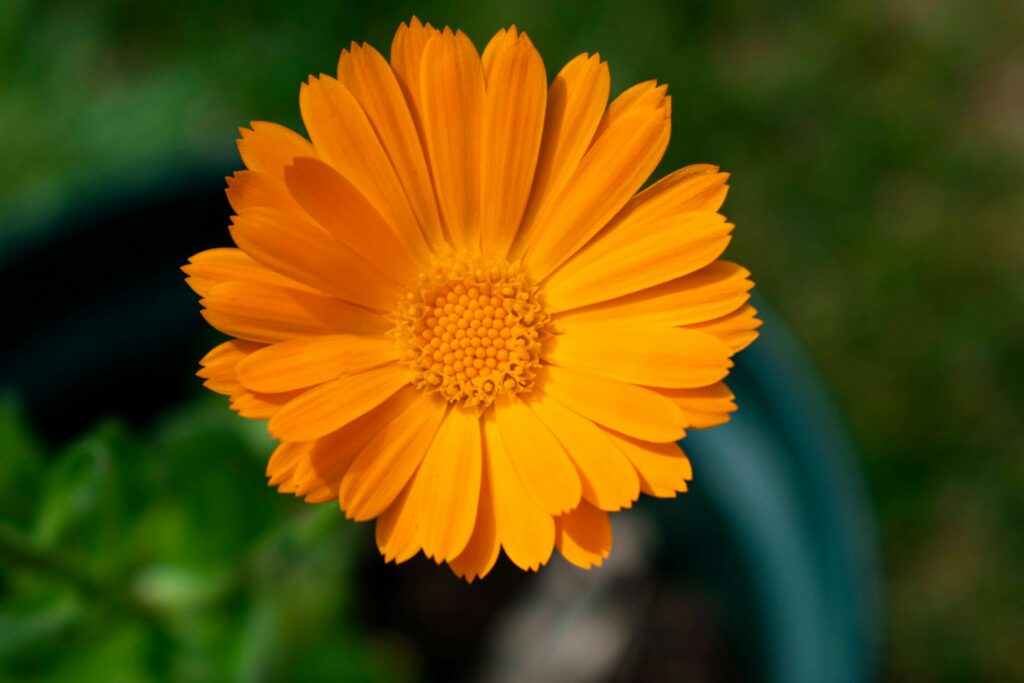
It looks like a flower.
It acts like a healer.
And it’s been secretly patching up human bodies for the past 700 years.
Calendula officinalis, also known as pot marigold, is one of those plants that hides in plain sight.
You’ve probably seen it in a neighbor’s flowerbed.
Or at the garden center, quietly glowing in that yellow-orange that screams “sunlight made solid.”
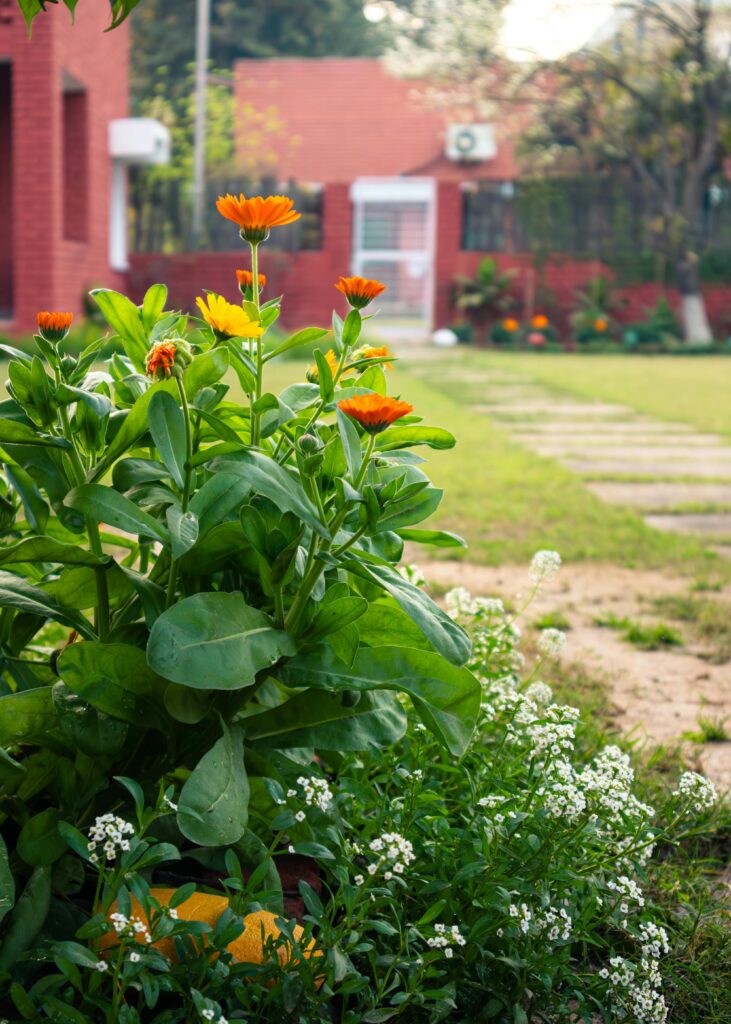
Maybe you’ve even grown it — not knowing you were cultivating a first-aid kit on a stem.
Because calendula doesn’t just look nice.
It’s anti-inflammatory. Antimicrobial. Lymph-moving. Scar-minimizing.
It’s shown up in everything from medieval battlefield balms to high-end skincare serums.
And if it had a LinkedIn profile, it would include job titles like:
- Skin repair specialist
- Infection fighter
- Gut soother
- Lymph mover
- Menstrual modulator
- And full-time garden overachiever
It’s basically a doctor in disguise.
And yes — it’s probably already in your garden.
Let’s Start with the Basics
Calendula officinalis is a fast-growing, sun-loving plant in the daisy family (Asteraceae), native to southern Europe but now found all over the world — including the Netherlands, where it thrives in everything from balconies to forgotten garden corners.
It blooms in bright yellow to deep orange flowers. And those flowers? That’s where the magic lives.
They’re loaded with:
- Triterpenoids – inflammation modulators
- Flavonoids – antioxidant and capillary-strengthening
- Carotenoids – think beta-carotene, lutein (good for skin + eyes)
- Resins – antimicrobial and wound-protective
- Saponins – mildly cleansing and immune-supportive
The leaves? Meh.
The stem? Whatever.
But the flower heads — especially the sticky, resinous base — that’s the gold.
Literally and figuratively.
Medieval Wound Care in a Flower Crown
Calendula’s medical résumé goes way back.
In the Middle Ages, it was used to treat:
- Wounds
- Burns
- Skin infections
- Ulcers
- And just about any visible body damage you could point at
It was a go-to herb for battlefield injuries, especially when there were no antibiotics, no antiseptics, and no time for subtlety.
An old folk saying:
“Where calendula grows, no pus will flow.”
And while it sounds quaint, there’s real science behind it.
Calendula inhibits inflammatory cytokines, encourages tissue regeneration, and has shown antimicrobial activity against Staph, E. coli, and Candida species.
Translation: It reduces swelling, fights bacteria, and speeds healing.
Basically, if your skin is throwing a tantrum — calendula is the grown-up in the room.
Fast Forward: From Poultices to Premium Skincare
Calendula never really went away.
But in the last 20 years, it’s had a serious rebrand.
Now, it shows up in:
- Organic diaper creams
- Natural deodorants
- High-end facial serums
- Lip balms
- Tattoo aftercare kits
- And yes, TikTok DIY “herbal salves” made in small Dutch kitchens with way too much beeswax
According to cosmetic industry reports, calendula extract is now found in over 1,200 registered skincare products across Europe — many of them marketed for sensitive skin, baby care, or “clean beauty” consumers.
Why? Because calendula hits the sweet spot between gentle and effective.
It’s not trendy. It just works.
And in a regulatory landscape where botanicals need to prove their safety (especially under EU cosmetic rules), calendula has a long track record of not causing problems.
That’s worth a lot.
The Science Behind the Skin Stuff
Let’s go nerdy for a minute.
In one double-blind, randomized clinical trial, calendula ointment significantly reduced healing time for C-section scars compared to standard treatment.
In another, it showed superior results over aloe vera in radiation-induced dermatitis (read: skin damage from cancer therapy).
And in multiple in vitro studies, calendula extract:
- Stimulated fibroblast activity (that’s the cell that builds new skin)
- Reduced oxidative stress in damaged tissue
- Inhibited fungal and bacterial overgrowth
So yes — it’s pretty.
But it’s also biologically active, clinically relevant, and way more than just decoration.
How Herbalists Use It (Spoiler: Not Just for Skin)
Calendula is best known as a topical herb — for cuts, scrapes, rashes, acne, eczema, burns, and so on.
But internally? It has a second life.
Herbalists reach for calendula when they need:
- Lymphatic movement – great for sluggish immunity or fluid retention
- Anti-inflammatory gut support – think gastritis, ulcers, leaky gut
- Pelvic circulation – helpful for menstrual irregularities or post-infection recovery
- Gentle detoxification – particularly for skin issues rooted in liver/lymph overload
It’s often included in formulas for:
- Skin outbreaks with heat and dampness
- Digestive inflammation with dull, aching pain
- “Low energy, low appetite, low-grade chronic stuff”
And unlike harsher lymphatics or liver herbs (like poke root or dandelion), calendula doesn’t deplete.
It tones and supports without draining you.
A gentle mover.
A quiet healer.
A floral diplomat.
Want to Use It? Here’s How.
For skin:
- Infused oil:
Harvest fresh (or dry) calendula flowers.
Cover with carrier oil (olive, sunflower, almond) in a jar.
Infuse 2–4 weeks, strain, use directly or in salves. - Salve:
Combine calendula oil with beeswax.
Add essential oils (optional) like lavender or tea tree.
Store in tins. Use for cuts, rashes, dry skin, or anything red and angry-looking. - Hydrosol / Toner:
Use a calendula-based facial mist as part of a daily routine for sensitive skin.
For internal use:
- Tea / Infusion:
Steep 1–2 tsp dried petals in hot water, covered, for 10–15 min.
Drink warm or cool. Great with mint or chamomile. - Tincture:
Use 1–2 ml diluted in water, 2–3x daily as part of a larger formula.
Don’t use long-term in pregnancy without guidance (mild uterine stimulant).
Who Should Not Use It
Calendula is safe for most people.
But avoid if:
- You have a known allergy to plants in the Asteraceae family (e.g., ragweed, daisies)
- You’re pregnant, unless working with a practitioner (in large doses, calendula may stimulate menstruation)
- You’re looking for a miracle cure (it’s a gentle herb, not a wizard)
When Flowers Do More Than Decorate
Calendula is the kind of herb that herbalists quietly love.
It’s not flashy.
It doesn’t trend.
It doesn’t need marketing hype or rebranding campaigns.
It just shows up — again and again — wherever healing is slow, inflammation is high, or tissue is compromised.
If you’re learning herbalism and wondering which plants to trust, calendula is a solid place to start. It teaches you that beauty and function aren’t opposites. That softness can still repair. That healing doesn’t have to be dramatic to be real.
And if you’re curious how herbs like this fit into actual formulas — how to choose, combine, and prepare them depending on what the body really needs — that’s the kind of stuff we go deep into in our Herbal Foundations Course.
Not just what calendula does, but why it does it, and when it works best.
No hype. No fluff. Just good plants, used well.